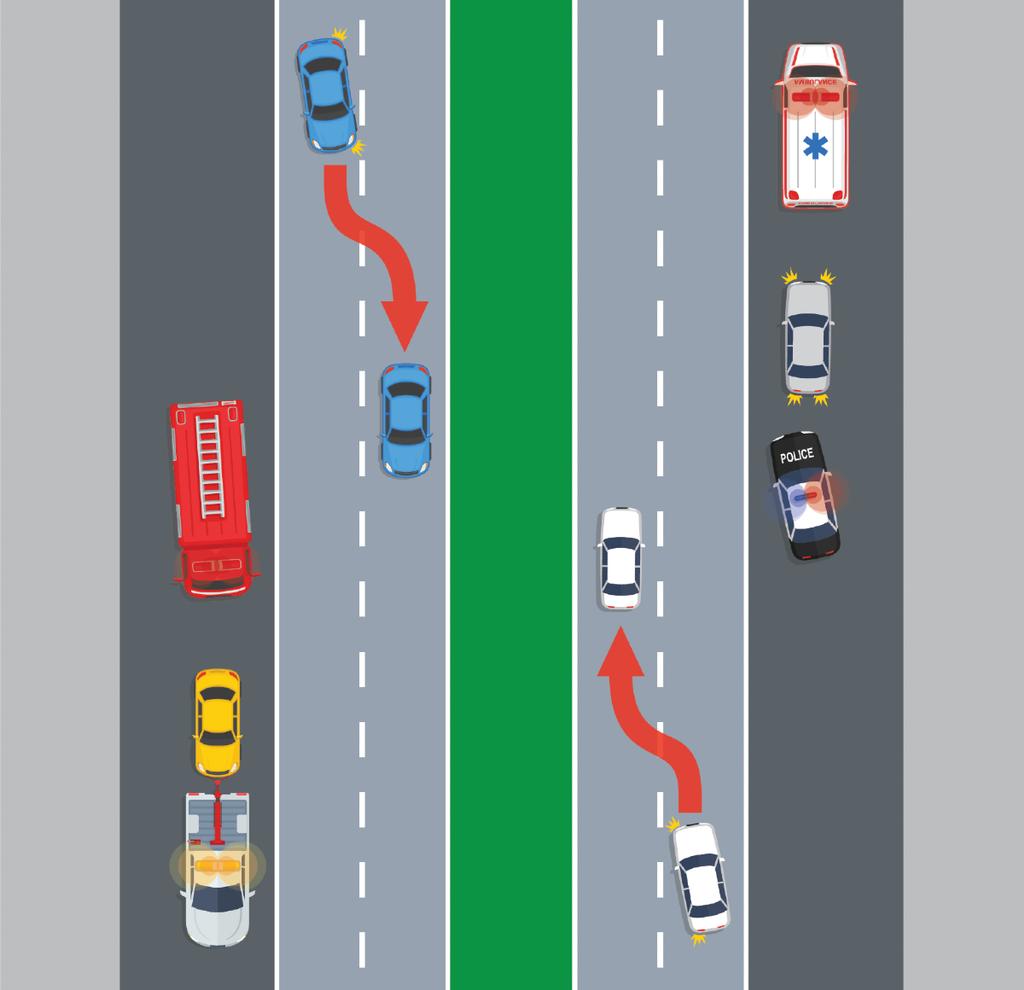
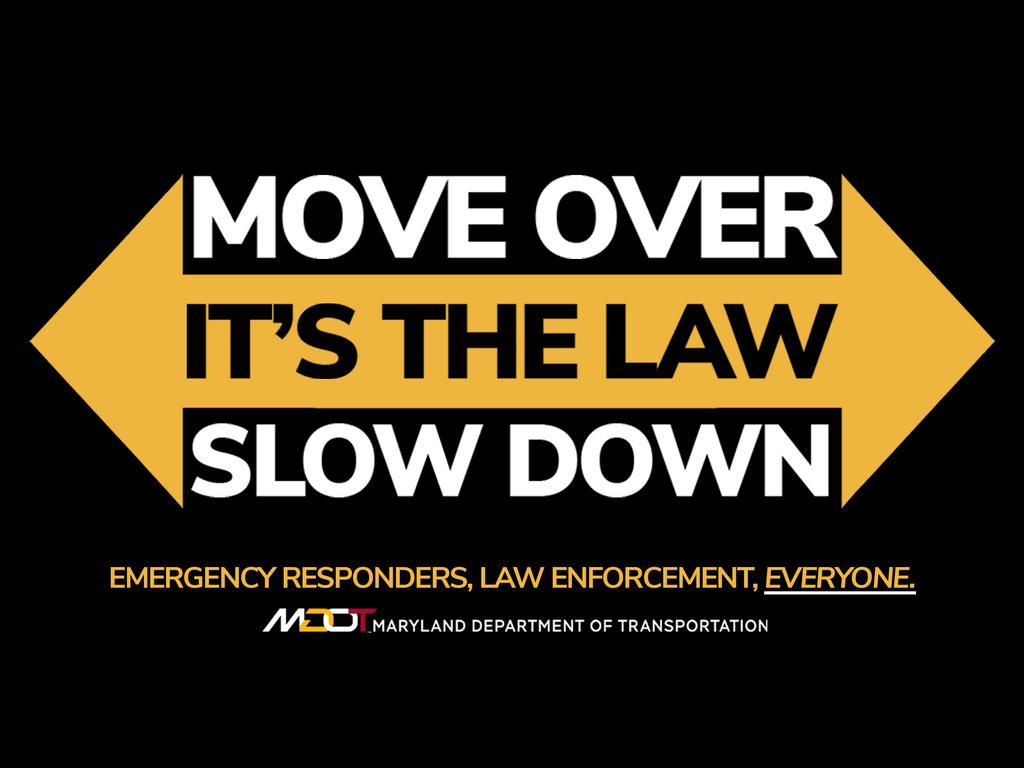
| Maryland’s Move Over Law, officially known as the Maryland Move Over Act, requires drivers to move into an adjacent lane when approaching a stopped emergency vehicle with activated lights on the shoulder. If safely moving over isn’t possible, motorists must slow to a reasonable and prudent speed while passing. The law applies to police, fire, EMS, tow trucks, and highway maintenance vehicles. Failure to comply can lead to fines and penalties, and more importantly, it puts emergency responders and roadside workers at serious risk.
This observance serves as a reminder of the importance of highway safety, especially as authorities work to reduce the deadly trend in highway fatalities. On Maryland highways, it takes an average of 12 minutes for police or state highway personnel to arrive at an incident and about 23 minutes to reopen travel lanes. Clearing incidents quickly is hazardous work for highway personnel, police, fire and rescue teams, and Hazmat crews. Every year, dozens of first responders are injured on Maryland roadways.
Volunteer firefighters are particularly impacted when drivers fail to follow the Move Over Law. Unlike career responders, volunteers may respond from home or work, often arriving in personally owned vehicles before apparatus arrives. When motorists fail to move over or slow down, volunteers face increased danger while exiting their vehicles, accessing equipment, and operating on busy roadways. Noncompliance puts them at greater risk of being struck, delays critical emergency response, and can reduce staffing if volunteers are injured—directly affecting community safety.
As a reminder: always move over into the next lane or slow down when passing emergency responders on the shoulder.
It is Maryland law. |